







Search Results for: 1800 yuan coffee

A Shanghai coffee shop's 1,800-yuan cup of Geisha sparks debate; staff admit they've never seen it, let alone tasted it
A cup of coffee priced at 1800 yuan is not a fantasy, but a real menu option at a chain coffee shop in Shanghai. This pour-over coffee uses Panama Sofia Estate washed Geisha, a bean that won second place in the 2024 BOP Geisha washed category, with flavors described as jasmine, bergamot, lychee, and honey. In fact, this price already appeared on social media last year, when it corresponded to Guaguaguo Estate natural Geisha, also priced at 1800 yuan. Staff revealed that such coffee requires advance booking, with almost no one inquiring about it; after working for over a year, they had never seen it, let alone tasted it. The brand manager explained that the consumer group is mostly regulars, and the beans must be pre-ordered from foreign estates, with arrival times uncertain. This article will trace the story behind this sky-high coffee and present other rare varieties and price ranges on the menu. [more…]
Why Is Geisha Coffee Called the Most Expensive Coffee Bean? A Full Analysis of Hacienda La Esmeralda Red, Green, and Blue Label Prices and Pour-Over Parameters
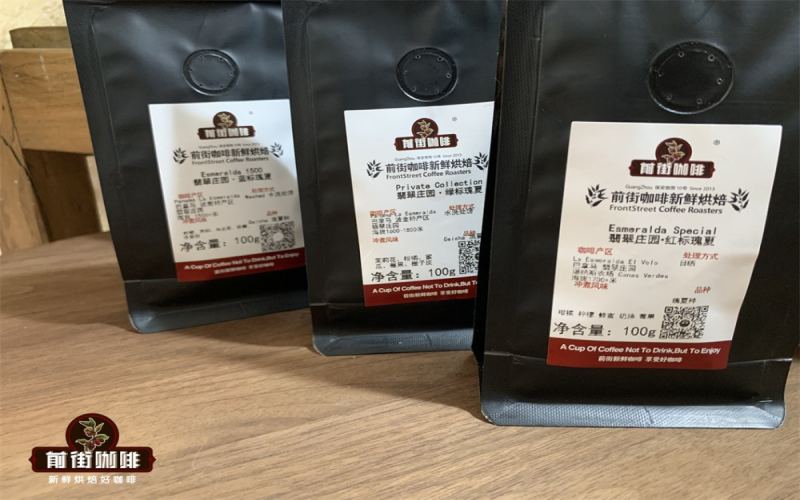
Geisha coffee has always been the unattainable dream in the hearts of coffee lovers; its elegant and refined flavors have captivated even the most seasoned connoisseurs who favor the rich, full-bodied taste of Mandheling. Just what makes this high-quality coffee so expensive? How much does a cup of pour-over Geisha cost? Front Street Coffee's Emerald Red Label Geisha freshly ground pour-over is priced at 75 yuan, while the Green Label is 60 yuan. This article will systematically sort out the varietal origins of Geisha, the Red-Green-Blue label grading system of Panama's Emerald Estate, the growing environment of Debora Estate, and the flavor characteristics and brewing suggestions for each grade of Geisha, helping readers gain a comprehensive understanding of where the value of this precious variety lies. [more…]
A Complete Guide to Geisha Coffee Bean Price Tiers: From Emerald Red Label to Volcanic Rock Blue Label – Flavor and Pour-Over Experience
Geisha coffee beans are hailed as the white moonlight of coffee lovers, conquering countless palates with their elegant and refined flavors. But what grade does Geisha actually belong to? How much does a cup cost? What are the flavor differences among different grades of Geisha? This article will analyze the price and flavor characteristics one by one, from Front Street Emerald Red Label and Green Label to Volcanic Rock Blue Label, and take an in-depth look at the cultivation background of Panama's Hacienda La Esmeralda and Deborah Estate. At the same time, we will also share the pour-over parameters and brewing techniques for Front Street Panama Geisha coffee beans, helping you understand more comprehensively the charm of this "precious" variety. [more…]
Papua New Guinea Bird of Paradise Coffee Bean Flavor Profile and Price Analysis | Front Street Sigri Estate Specialty Coffee Brewing Guide
Papua New Guinea's Bird of Paradise coffee beans, with their unique Blue Mountain lineage and refined washed processing, have made this a star-producing region in the specialty coffee world. What exactly are the special flavors of Front Street Coffee's Papua New Guinea Bird of Paradise Estate coffee beans? How much does a cup of Bird of Paradise coffee cost in a café? Is it more cost-effective to brew it yourself at home? This article provides a comprehensive analysis of the Sigri Estate's regional background, processing methods, green bean grading, roasting recommendations, and brewing parameters, along with Front Street's high-value recommendations, to give you an in-depth understanding of this specialty coffee full of floral aromas and fruity acidity. [more…]
Jamaica Blue Mountain Coffee Wallenford Estate Origin Analysis: Growing Conditions, Grade Classification, and Variety Overview
Jamaican Blue Mountain Coffee, as a representative of the world's top specialty coffee, has always attracted much attention for its cultivation conditions, variety classification, and grading standards in the Wallenford Estate production area. Starting from the unique flavor of Blue Mountain Coffee, this article provides a detailed overview of the production area divisions and grading systems of Jamaica's three major coffee varieties—Blue Mountain Coffee, High Mountain Coffee, and Jamaican Coffee—analyzes the definition of Blue Mountain Coffee under CIB standards at elevations above 666 meters, and introduces Front Street Coffee Blue Mountain's low caffeine content, flavor characteristics, and medium-roast recommendation. At the same time, it examines the relationship between the scarcity of Blue Mountain Coffee production and its market price, helping coffee enthusiasts gain a comprehensive understanding of the true nature of this legendary coffee. [more…]
What varieties of Jamaican coffee are there? A full analysis of Blue Mountain flavor characteristics and prices
Although Jamaica is a small country in terms of land area, it is world-renowned for its Blue Mountain coffee. As the highest mountain range in the Caribbean, the Blue Mountains produce coffee beans from specific areas in extremely limited quantities, making them exceptionally precious. This article will guide you through the main varieties of Jamaican coffee, their historical origins, and flavor characteristics, and introduce the rise and fall of the Conasdale Estate as well as the old Typica variety that locals insist on cultivating. We will also recommend Front Street Blue Mountain No. 1, a specialty coffee from the century-old Clifton Estate. Its washed processing and medium-dark roast bring aromas of butter cookies, nuts, and chocolate, with a balanced harmony of acidity, sweetness, bitterness, and aroma. In addition, the article will analyze the value for money of Blue Mountain No. 1, allowing you to enjoy a top-tier flavor at a reasonable price. [more…]
A Comprehensive Analysis of Hacienda La Esmeralda Geisha Red, Green, and Blue Labels: Origin Story, Grade Classification, and Flavor Comparison
Panama's Hacienda La Esmeralda Geisha coffee beans, with their unique floral and fruity aroma and exceptional quality, have become a legend in the specialty coffee world. This article will take you through the story of Geisha from its discovery to world fame, and explain in detail Hacienda La Esmeralda's plot divisions and the differences between its three grades: Red Label, Green Label, and Blue Label. At the same time, we have compiled the flavor characteristics, roasting recommendations, cupping reports, and brewing parameters of three Geisha coffees, along with practical recommendations from Front Street Coffee. Whether you are a seasoned enthusiast or a first-time taster, you will find valuable information here. [more…]
Geisha Coffee Beans from Ethiopia to Panama: A Complete Analysis of Variety Origins and the Flavor Differences Between Natural and Washed Processing
Geisha coffee has now become a top-tier star in the specialty coffee world, but did you know it did not originally come from Panama? From its discovery in Ethiopia's Geisha forests in 1931, through Kenya, Uganda, and Costa Rica, and finally to its spectacular rise at Hacienda La Esmeralda in Panama, Geisha's legendary journey spans more than half a century. Front Street Coffee stores regularly offer Red Label and Green Label Geisha from Panama's Hacienda La Esmeralda, priced from 60 yuan to 75 yuan, and one of the questions customers ask most often is what exactly is the difference between the natural and washed processing methods. This article will comprehensively trace the history of Geisha's varietal migration, explain in detail the microclimatic conditions of Panama's Boquete producing region and Hacienda La Esmeralda's three major plots, and compare the grading standards and flavor characteristics of Red Label, Green Label, and Blue Label. Finally, through actual pour-over brewing, it will present the specific differences in taste between washed Green Label and natural Green Label. [more…]
Detailed Explanation of the Grade Differences Between Geisha Red and Green Labels: The Reasons Behind the High Price of Panama Geisha and Its Flavor Characteristics
Geisha coffee often commands astronomical prices—what exactly makes it so expensive? And how should one distinguish between Red Label and Green Label? From the perspective of Front Street Coffee, this article traces the complete journey of Geisha from the wild forests of Ethiopia to its rise to fame in Panama, analyzes Hacienda La Esmeralda's three-tier grading system of Red Label, Green Label, and Blue Label based on cupping flavor, and details the core factors that drive up its price, including the delicate nature of the Geisha plant, its scarce yield, and its demanding growing conditions. The article also includes Front Street's recommended pour-over parameters and flavor description for Emerald Green Label Geisha, helping coffee enthusiasts fully understand the unique value of this variety. [more…]
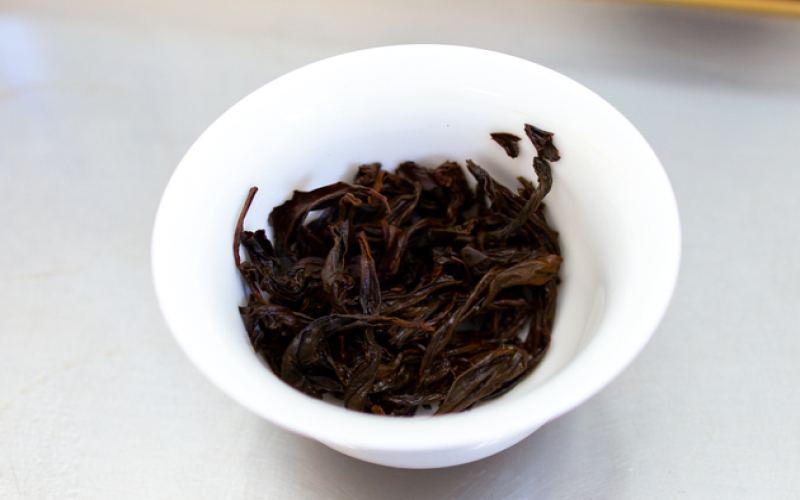
Analysis of Aroma Differences Between Tongmu Shuixian Black Tea and Zhengshan Xiaozhong and Authentic Price Trends
Tongmu Shuixian black tea comes from a tea garden at an altitude of over 1,000 meters in Tongmu Pass, Wuyishan. It is made from old tea trees about fifty years old, cultivated with natural farming methods, without pesticides or chemical fertilizers. Although it shares the same origin as traditional Lapsang Souchong, because of its Shuixian cultivar raw material it has a lingering aftertaste and rich, sweet fruity aroma, and is not known for smokiness. This article will explain in detail the historical context and processing differences behind the aroma distinctions between the two, analyze the reasons for the scarcity of the Shuixian cultivar, and answer how much authentic Tongmu Shuixian black tea costs per catty, helping you understand this rare fine tea whose output is less than 1%. [more…]
Naturally Low-Caffeine Rare Variety Laurina: The Legendary Coffee from Extinction on Bourbon Island to Revival and Rebirth
Bourbon Pointu is a rare coffee variety with elongated beans and pointed ends, discovered on Bourbon Island in 1810. Its caffeine content is only half that of ordinary Bourbon, making it a naturally low-caffeine coffee. During the 18th and 19th centuries, it was widely cultivated, with annual production once reaching 4,000 metric tons. However, disasters such as hurricanes, fire ants, and leaf rust followed one after another. After 1942, it completely disappeared from Réunion Island and was considered extinct by the coffee world. It was not until Japanese Ueshima Coffee expert Yoshiaki Kawashima spent years searching that in 2001, more than thirty surviving plants were discovered in the wild on Bourbon Island. Subsequently, French scientists collaborated with Ueshima Coffee to carry out revival efforts, and only in 2006 was the first small batch of beans harvested. This article introduces the origin of the name Bourbon Pointu, its historical rise and fall, flavor characteristics, and expensive price, as well as Front Street Coffee's recommendation and interpretation of this legendary variety. [more…]
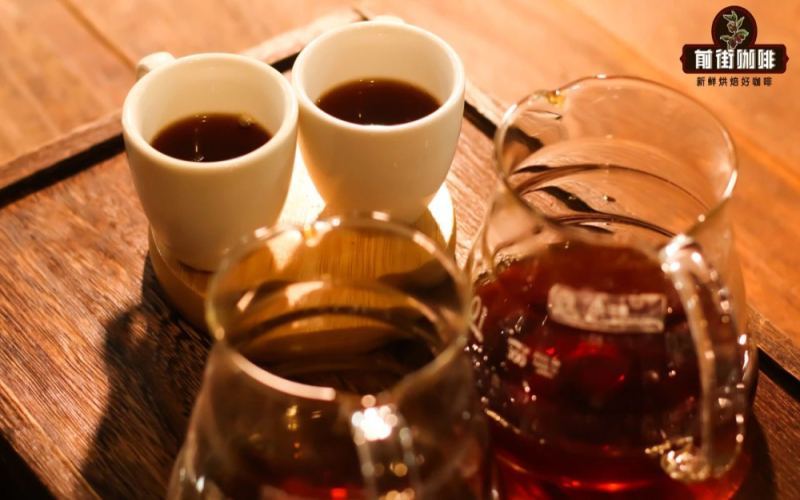
A Detailed Guide to the Flavor Characteristics and Pour-Over Techniques of Panama Geisha Coffee: From Hacienda La Esmeralda Grading to Green Label Washed vs. Natural Comparison
Geisha coffee has become the most sought-after variety in the specialty coffee world in recent years, and Panama's Hacienda La Esmeralda is the key force that propelled this variety to legendary status. Starting from observations at Front Street Coffee's stores, this article traces Geisha's spread from the forests of Ethiopia to Panama, explains Panama's three core producing regions and Hacienda La Esmeralda's three major plots, and breaks down one by one the flavor positioning and grading logic of the three tiers: Red Label, Green Label, and Blue Label. At the same time, Front Street will also conduct a comparative brewing of the washed and natural versions of Green Label Geisha, providing specific V60 pour-over parameters and flavor descriptions to help coffee enthusiasts understand Geisha's charm more systematically. [more…]
A Complete Analysis of Bourbon Coffee Varieties: From Historical Spread to the Flavors of Red, Yellow, Pink, Pointed Bourbon, and Pacas Mutants
Bourbon coffee is one of the oldest varieties in the Arabica family, originating from Réunion Island and enjoying equal fame with Typica. Its cherries ripen to a bright red, and when grown at high altitudes it offers elegant aromas, bright acidity, and often a vinous character. Over centuries, Bourbon spread from the Indian Ocean to Brazil, Central and South America, and Africa, giving rise to numerous variants such as Yellow Bourbon, Pink Bourbon, Pointed Bourbon, and Pacas. This article traces the historical spread of Bourbon, explains the origins, cultivation status, and flavor characteristics of each variant, and retains relevant recommendations from Front Street Coffee, offering a comprehensive look at this classic coffee species. [more…]
A Complete Guide to Bourbon Coffee Beans: From Red, Yellow, and Pink to Pointed Bourbon—Varietal Characteristics, Spread History, and Price Reference
Bourbon coffee beans are one of the oldest varieties of the Arabica species, originating from Réunion Island (formerly known as Bourbon Island) and arising as a mutation of Typica. After centuries of spread and natural mutation, the Bourbon family has given rise to numerous varieties of different colors and forms, including Red Bourbon, Yellow Bourbon, Pink Bourbon, and Pointed Bourbon. This article will systematically review the origin and spread of Bourbon coffee, explain in detail the discovery process, flavor characteristics, and current cultivation status of each variety, and introduce the taste performance and brewing suggestions of the Bourbon series products under Front Street Coffee, helping coffee enthusiasts gain a comprehensive understanding of this classic variety. [more…]
The Complete Guide to the Bourbon Coffee Family: Detailed Explanation of Red Bourbon, Yellow Bourbon, Pink Bourbon, and the Rare Pointed Bourbon Variety
Bourbon coffee is a classic, long-standing variety within the Arabica species, equally renowned as Typica, and has given rise to multiple branches such as Red Bourbon, Yellow Bourbon, and Pink Bourbon. This article systematically reviews the origin, spread, variety characteristics, and flavor profiles of Bourbon coffee, covering the rich sweetness of Red Bourbon, the bright high acidity of Yellow Bourbon, the rare pink cherries of Pink Bourbon, and the nearly extinct Pointed Bourbon. It also introduces natural mutations such as Pacas and mentions Front Street Coffee's everyday bean recommendations, providing coffee enthusiasts with comprehensive variety knowledge. [more…]
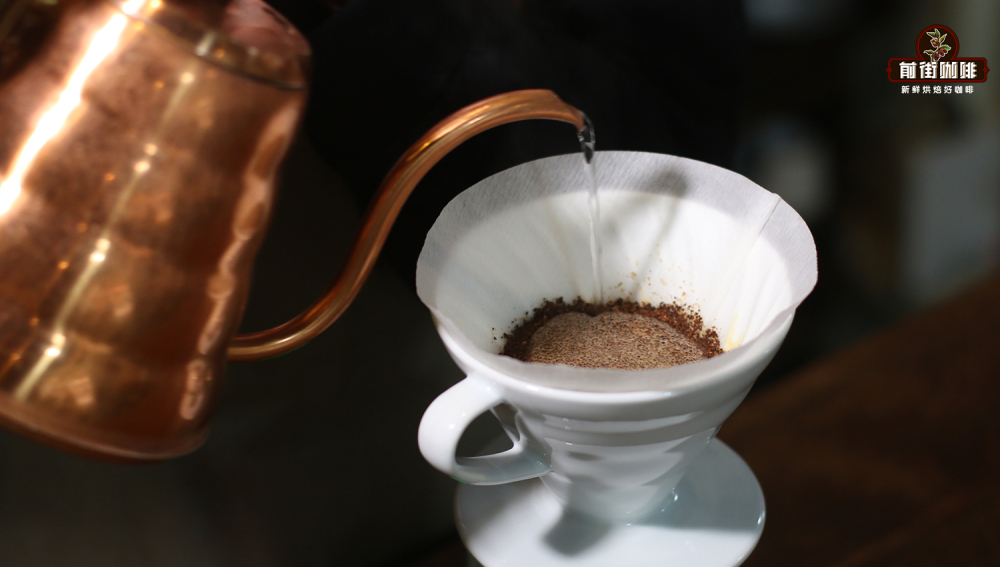
Single-Serve Pour-Over Coffee Method | What Is Gold Cup Extraction Yield? Which Brewing Technique Suits Coffee Beginners? Pros and Cons of the Drip Method, Volcano Pour, and One-Pour Technique
Front Street Coffee encounters customers asking about pour-over coffee every day, whether it's about what pouring technique should be used for pour-over coffee, or how much coffee grounds to use for pour-over coffee. In fact, with the development of coffee culture, more and more people no longer think of coffee as [more…]
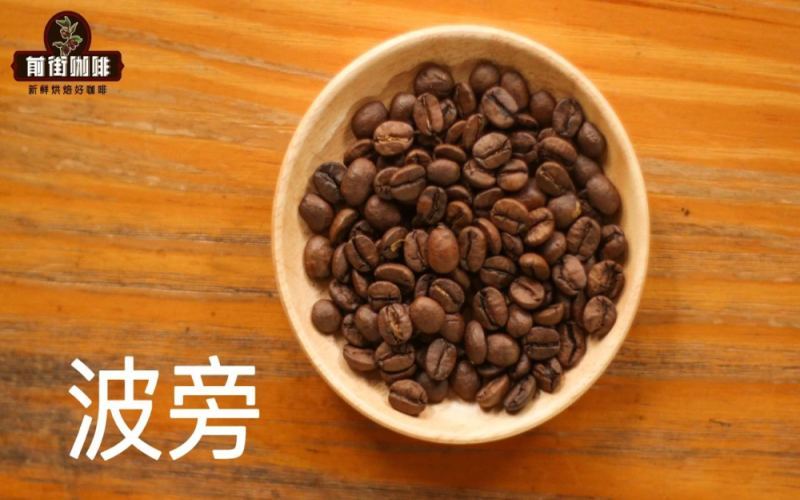
Bourbon Coffee Beans: Relationship with Arabica, Flavor Characteristics, and Major Global Producing Regions
Bourbon coffee is one of the oldest varieties within the Arabica species. It is as renowned as Typica, yet it has broader leaves and higher yields. It originated in Yemen, takes its name from Réunion Island, and produces short, round, dense fruit with prominent sweetness, bright acidity, and flavors reminiscent of cocoa and brown sugar. From the Cerrado region of Brazil to Central America, and from Red Bourbon and Yellow Bourbon to the rare Pink Bourbon and Pointed Bourbon, this variety occupies an important place in the global specialty coffee landscape. Among Front Street Coffee's everyday drinking beans is a Red Bourbon from Brazil. This article will systematically sort through Bourbon coffee's varietal origins, spread, flavor profile, and main producing regions, giving you a comprehensive understanding of this classic bean in the Arabica family. [more…]
The Flavor Differences Between Natural Sidamo Huakui and Washed Yirgacheffe, and an Analysis of Sidamo Coffee Prices
Ethiopia is a brilliant jewel of specialty coffee, with the two major producing regions of Sidamo and Yirgacheffe each boasting their own distinctive charm. This article systematically compares the differences between natural Sidamo (represented by Front Street Coffee's Huakui) and washed Yirgacheffe, from flavor and processing methods to variety traceability and grading classification, and also answers whether Sidamo coffee is expensive. You will learn about the origins and version evolution of Huakui coffee, the trademark disputes and terroir conditions of the Sidamo region, the essence of the Heirloom native variety, and Front Street Coffee's brewing recommendations. Whether you are a beginner enthusiast or a seasoned veteran, you will gain clear understanding and practical reference from it. [more…]
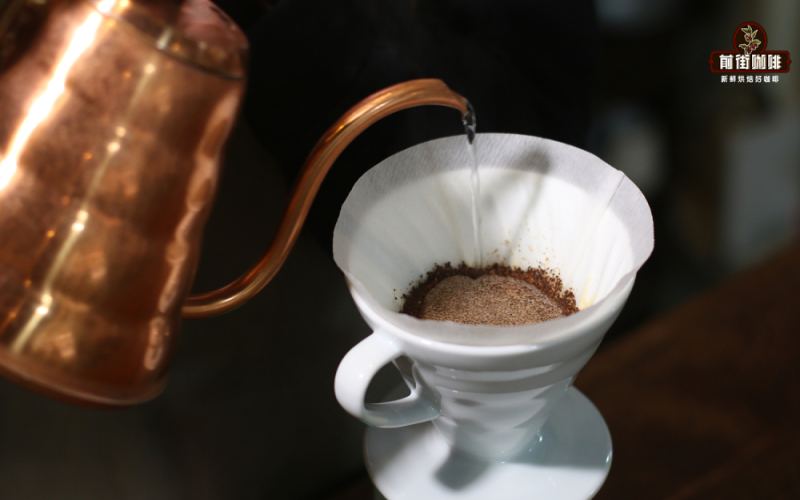
How to determine the pour-over coffee powder-to-water ratio for one serving? The Golden Cup extraction practice of 15 grams of coffee with 225 grams of water
The coffee-to-water ratio in pour-over brewing directly determines the strength and flavor profile of a cup. At Front Street Coffee, we've noticed in our daily conversations with customers that many people are unclear about how much coffee and water to use for a single serving. Starting from the SCA Golden Cup extraction standards, this article explains why the reasonable range for coffee-to-water ratio falls between 1:12 and 1:15, and combines practical brewing experience to provide a complete breakdown of water temperature, grind size, blooming, and three-stage pouring using a single-serving parameter of 15g coffee and 225g water as an example. It also introduces the applicable scenarios for techniques such as stirring bloom, Japanese drip method, single-pour method, and volcano pour, helping enthusiasts establish a reproducible brewing baseline. [more…]
How Much Coffee for a Single Serving of Pour-Over? The Golden Cup Extraction Principle and Techniques for Japanese-Style Drip Pouring and Stirring-Bloom Method
When brewing a pour-over coffee at home, how much coffee powder should you use? Starting from the SCA Golden Cup extraction standard, this article sorts out the practical logic of a 1:15 coffee-to-water ratio, explains the reasoning behind 15 grams of coffee powder and 225 grams of brewed coffee for a single serving, and analyzes the effects of water temperature, grind size, and pouring technique on flavor. Taking staged extraction as the main thread, the article details the rhythm control and operational details of blooming and degassing, three-stage pouring, and also compares the applicable scenarios, pros, and cons of the stirring bloom method, the Japanese drip pouring method, the single-pour method, and the volcano surge method, providing coffee enthusiasts with a clear, reusable brewing reference. [more…]